Tag: cooler-flooring-strategies
Step outside on a July afternoon in St. George and you can feel the heat radiating off the sidewalk. Now imagine that same heat trapped inside your home, bouncing off dark, sun-soaked floors while your AC works overtime. Many homeowners don’t realize how strongly flooring choices influence indoor temperature, comfort, and energy bills—especially in a Mojave Desert climate.
Below are common flooring mistakes that make homes hotter than they need to be, and smarter strategies to keep your space cooler without constantly lowering the thermostat.
Mistake #1: Choosing Heat-Soaking Colors and Finishes
Dark, glossy floors look dramatic in a showroom, but in desert light they behave like solar collectors. Sunlight streaming through large windows is absorbed by those surfaces, then re-released into the room as heat. That extra thermal load forces your AC to cycle more often.
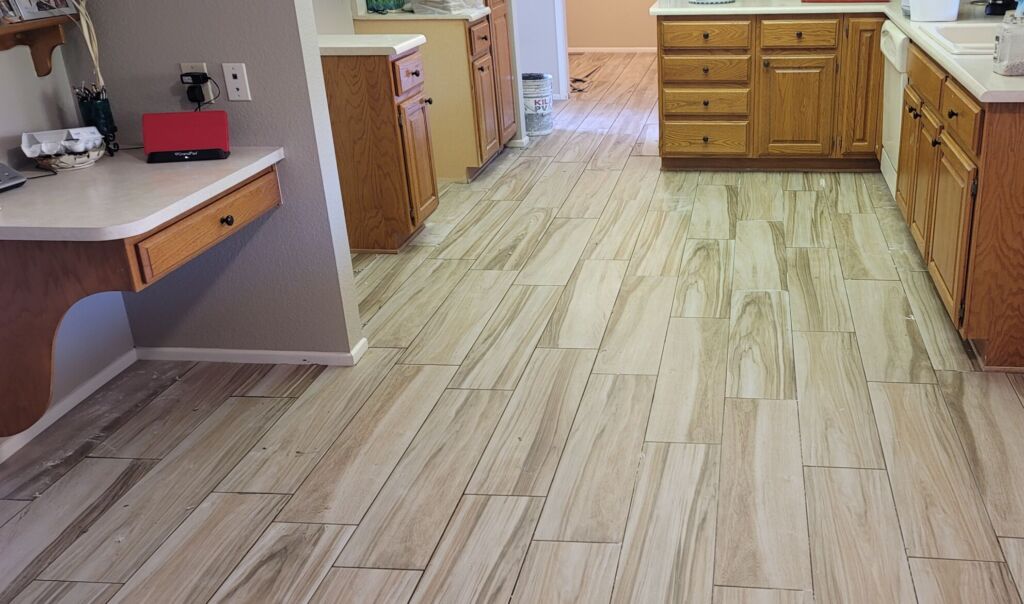
Lighter tones—sandy beiges, soft greiges, and pale oak looks—reflect more light instead of absorbing it. Matte and low-sheen finishes also help diffuse glare so your space feels cooler and calmer, not harsh and reflective. Modern laminate is especially useful here because you can select very specific color ranges and surface textures without sacrificing durability; you can explore those cooler, wood-look visuals in our laminate flooring catalog.
Key idea: In a high-sun climate, floor color and sheen are part of your thermal strategy, not just your style choices.
Mistake #2: Ignoring How Materials Handle Extreme Heat and Dry Air
Another hidden mistake is assuming every “hard surface” behaves the same under 100°F heat and single-digit humidity. It doesn’t.
Solid hardwood is hygroscopic, meaning it constantly exchanges moisture with the air. In the Mojave’s bone-dry environment, that can lead to shrinking, gapping, and cupping if the wrong construction is used or if it’s installed too close to sun-baked glass. Engineered wood—with its cross-laminated core—is designed to be more dimensionally stable and is a smarter way to get real wood character in living spaces that heat up in the afternoon. If your design vision leans toward natural planks, it’s worth browsing engineered hardwood constructions built for dry climates before you commit.
Laminate, on the other hand, uses high-density fiberboard cores that handle dry air well and resist warping when temperatures swing between hot days and cooler desert nights. That stability means fewer gaps for hot air to move through at the floor level, helping your HVAC work more efficiently over time.
Mistake #3: Leaving Floors Exposed to Direct Desert Sun
Even the most thermally efficient flooring will overheat if it’s bathed in direct UV all afternoon. Large, west-facing windows in areas like Santa Clara and Ivins can create literal “hot spots” on the floor where materials fade, dry out, and radiate heat into the room.
The fix is not just aesthetic—it’s mechanical. Properly designed window treatments act like exterior skin for your interior surfaces. Cellular shades trap air in honeycomb pockets, reducing heat transfer. Interior shutters allow you to angle louvers, bouncing harsh rays away from your floors while still letting in daylight. When we talk with clients about new floors, we often pair that conversation with custom window coverings that manage UV and heat so the investment holds up for decades, not just a few seasons.
Bottom line: If your floors are in the sun more than an hour or two a day, some kind of controlled shading is non-negotiable for comfort and longevity.
Mistake #4: Overlooking Naturally Cool Surfaces in Key Zones
Not every room needs the same thermal performance. Spaces like south-facing kitchens or great rooms with tall ceilings tend to trap heat at the top and radiate it back down. In those areas, combining laminate or engineered wood with cooler surface materials in strategic zones can dramatically change how the room feels.
Porcelain and ceramic tile have high thermal conductivity, which means they quickly shed heat and feel refreshing underfoot even when it’s blistering outside. Using tile in sun-soaked entries, near patio doors, and around kitchen work zones creates “cool islands” that give your feet—and your AC—a break. If you’re curious how different options look, our tile selection showcases many cool-underfoot surfaces that integrate beautifully with wood and laminate.
Because every home has its own mix of glass, orientation, and insulation, we often recommend a holistic plan that coordinates materials, colors, and light control together. Our design team can help you balance those elements using personalized consultation focused on your specific floorplan and sun exposure.
Choosing flooring in Southern Utah isn’t just about what looks good in a photo; it’s about how that surface behaves under relentless UV, dry air, and abrasive desert dust. Thoughtful laminate selections, the right engineered hardwood, well-placed tile, and smart window coverings can all work together to lower radiant heat, reduce glare, and ease the load on your AC.
If you’re ready to cool down your home from the floor up, you can schedule a free in-home estimate and material review and we’ll help you design a flooring system that works with our climate—not against it.