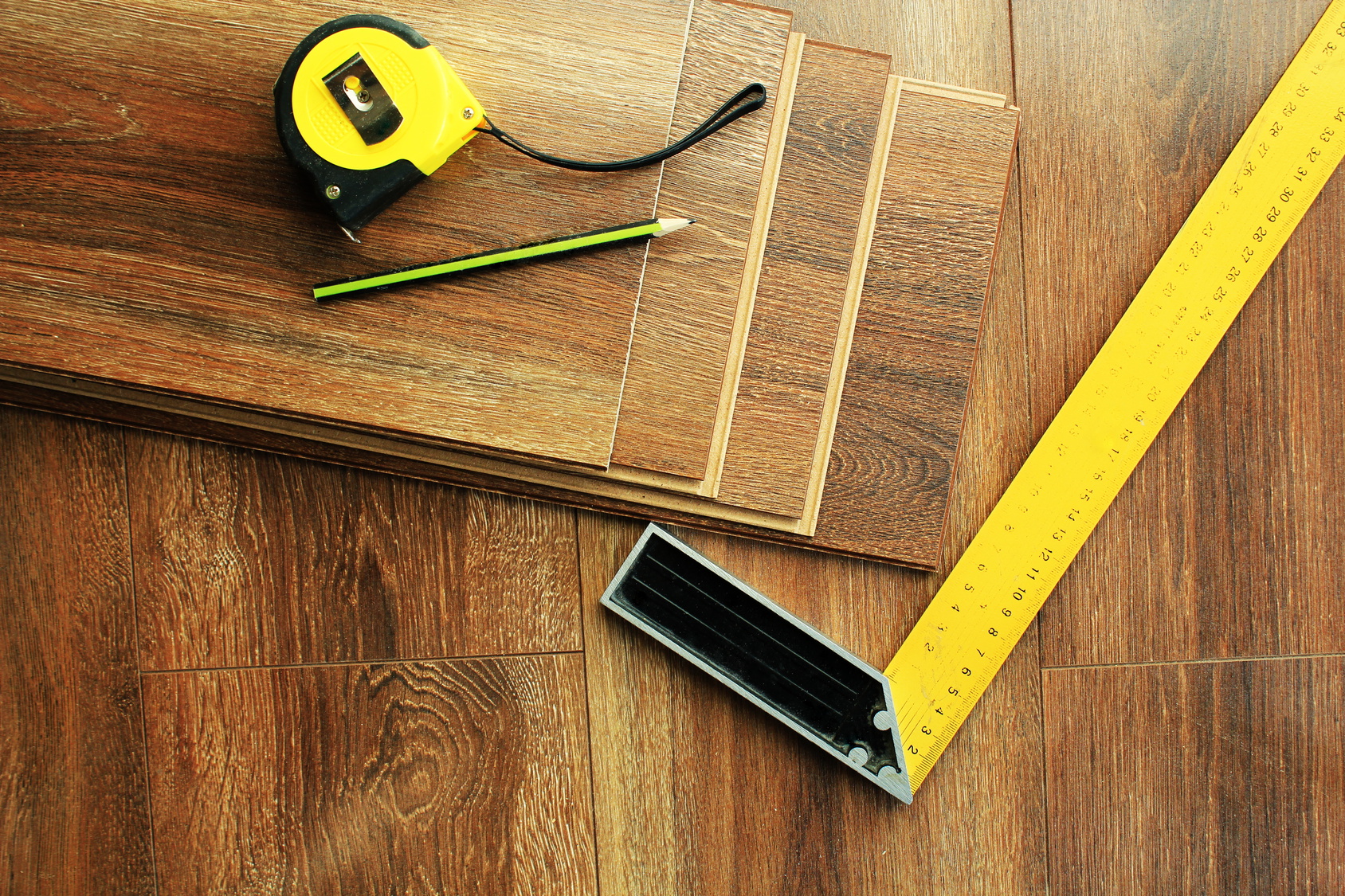
You walk into a flooring showroom and the first thing you notice—besides the handsome oak visuals and the convincing slate textures—is a cryptic label on every sample: AC3, AC4, AC5. It sounds like something you'd find on a building permit, not a floor. And yet that small stamp determines whether your new laminate will still look pristine five years from now, or whether it'll broadcast every scuff, scratch, and dent that daily desert life throws at it.
What AC Ratings Actually Measure
The AC rating—short for Abrasion Criteria—is the laminate industry's standardized durability scale. Developed under the European EN 13329 standard, it quantifies how many revolutions a rotating sanding wheel can make against the surface before visible wear appears. The higher the number, the more punishment the floor absorbs before showing its age.
For households in the Mojave Desert region, this specification matters more than most people realize. Fine silica dust from the surrounding red rock landscapes acts as a low-grade sandpaper every time someone walks across a room. An under-specced wear layer won't just look tired after a few years—it will genuinely degrade under that constant, fine-grained friction.
Decoding the Numbers: AC3, AC4, and AC5
AC1 and AC2 are essentially obsolete for modern homes. They're rated for closets or guest rooms with near-zero foot traffic and barely register in today's market. The real conversation starts at AC3, which handles moderate residential use comfortably: formal living rooms, dining areas, and adult bedrooms.
AC4 steps up to heavy residential traffic and light commercial loads. Think busy hallways, open-concept kitchens where kids and pets circulate constantly, and home offices with rolling desk chairs. For most households in the area, this tier hits the sweet spot—tough enough for the abrasive dust and high-traffic patterns common in open-plan desert homes, without paying for commercial-grade overkill. You can compare wear-rated laminates across dozens of styles to see which AC4 collections align with your home's specific traffic demands. That said, even the most durable laminate underperforms when the subfloor isn't properly prepared or the click-lock system isn't seated correctly—professional installation is what converts a strong AC rating into decades of actual performance.
AC5 represents the ceiling of the scale: rated for demanding commercial environments like retail stores and busy office lobbies. It's available residentially, but most families find AC4 delivers all the durability they need at a more accessible price point.
The Wear Layer: More Than Just a Number
Beneath the AC rating sits a physical reality: the wear layer itself. In quality laminate, this is a transparent sheet of aluminum oxide—the same material used to coat industrial cutting tools—fused to the decorative paper during manufacturing under tremendous heat and pressure. The thickness and density of this layer directly determine how many of those abrasion-test revolutions the plank survives.
But there's another factor the AC spec doesn't capture: texture registration. Premium laminates now use embossed-in-register surfaces, where the physical grain pattern aligns perfectly with the printed wood image beneath. These micro-textures don't just look more convincing—they scatter light and camouflage the fine scratches that inevitably accumulate from desert dust. A flatter, less sophisticated surface will telegraph every micro-abrasion.
Even the most robust aluminum oxide wear layer cannot stop ultraviolet radiation from photochemically bleaching the decorative layer beneath it. In sun-drenched St. George homes with expansive, unshaded windows, custom blinds and wooden shutters become an essential defensive layer—not merely a decorative afterthought.
Matching the Rating to Your Southern Utah Home
Choosing the right AC rating isn't just about foot traffic. It's about the full environmental picture. A home with a shaded patio and minimal direct sun can comfortably run AC3 laminate in bedrooms and formal living spaces. But a great room with south-facing glass, a couple of active dogs, and kids tracking in red sand after soccer practice? That room demands AC4 at minimum, paired with protective window treatments to manage the UV load during peak afternoon hours.
The same logic applies to the entryway. Every front door in the region admits a steady stream of abrasive particulates onto the first six feet of flooring. That high-wear transition zone benefits disproportionately from the extra revolutions an AC4 or AC5 rating provides. Our team routinely walks homeowners through these room-by-room calculations, weighing traffic patterns against sun exposure to land on the right rating without overspending—because a floor's durability spec should match how you actually live, not just how the showroom sample looks under ideal lighting.
A floor's AC rating is the quietest specification in the room—nobody comments on it at a dinner party—but it's the one that decides whether you're replacing your floors in five years or enjoying them in twenty. If you're weighing laminate options for your home, come see the wear layer differences firsthand at our St. George showroom, or schedule a free in-home estimate and let our team help you match the right durability level to the way you actually live.